How to Balance Proportions in an Outfit
Proportion is what makes two equally good outfits look different on the body. Balance the vertical split and the horizontal volume and almost any combination of pieces starts to work.
Saad Sellami
Founder & Data Analyst, OutfitScore
Published: October 14, 2026
Reading time: 7 minutes
Quick Answer
Balance proportions by managing two things: the vertical split between top and bottom, and the horizontal balance of volume. Aim for roughly a one-third / two-thirds vertical split rather than an even half, and pair a fuller garment with a slimmer one - wide trousers with a fitted top, or a voluminous top with a straight leg. One focal horizontal line per outfit is plenty.
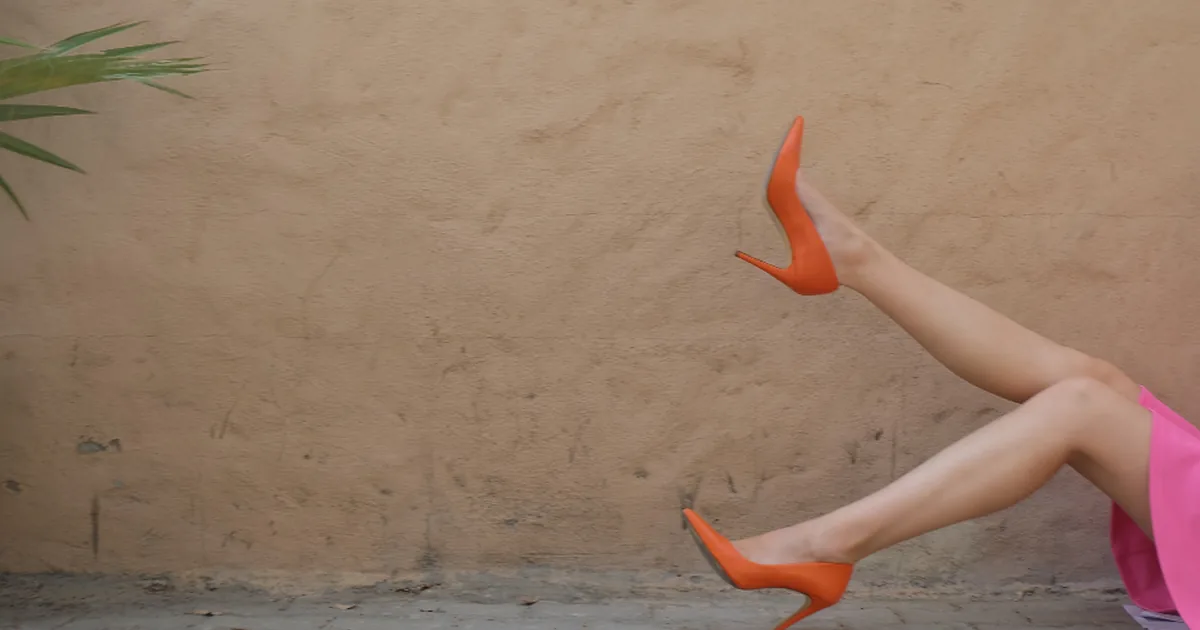
Proportion is the invisible structure under every good outfit.
Advertisement
Two Kinds of Balance
Every outfit has a vertical dimension and a horizontal one. The vertical is where the top ends and the bottom begins - the split. The horizontal is how wide or full the pieces are at each level - the volume. Problems almost always come from one of these two being off.
An outfit split exactly in half at the waist can look stunted, because the eye reads two equal blocks. An outfit with a very full top and a very full bottom can look shapeless, because nothing defines a stem. Fix the split and the volume together and the proportions settle.
One line of emphasis
Choose a single horizontal line you want the eye to land on - a waist, a high neckline, a long line of leg - and keep the others quiet. Multiple competing lines flatten the silhouette.
The Rule of Thirds
The simplest way to fix the vertical split is the rule of thirds: instead of cutting the body in half, cut it so the legs take roughly two thirds of the visible length and the torso one third. In practice this means tops that finish around the hip bone or just below, rather than at the widest part of the hip, and a waistline that sits slightly higher than the natural mid-point.
The easiest way to see it is in a mirror: stand straight and look at where your top ends. If it lands halfway between your shoulder and your foot, the outfit will read shorter. If it lands around a third of the way down, the legs stretch and the whole thing reads taller.
| Problem | What it looks like | Fix |
|---|---|---|
| Half-and-half split | Top and bottom read as equal blocks | Tuck, shorten or lengthen the top to shift the line |
| Top ends at the widest hip | Widest point is highlighted | End the top above or below the hip, not on it |
| Very long top, short bottom | Legs look shorter | Tuck the top or choose a cropped hem |
| Very short top, high waist | Torso looks compressed | Add a little length above the waist |
Balancing Volume
The second half of proportion is the shape of the pieces themselves. The reliable combination is a fuller piece with a slimmer one, whichever end it is on. A wide-leg trouser balances a fitted top; a voluminous blouse balances a slim or straight-leg bottom. When both ends are full, the look goes shapeless; when both are tight, it can look top-heavy or constricted.
- Top-heavy? Add to the bottom. Wider-leg trousers or an A-line skirt give the lower half presence.
- Bottom-heavy? Add to the top. A defined shoulder or a chunkier knit balances a fuller hip.
- Midsection the focus? Create a stem. Straight or slim legs under a top that skims rather than clings.
- Petite or long torso? Use a high waist. Raising the split lengthens the leg line.
Each of these is the same move in different places: add presence to the lighter side rather than only subtracting from the heavier one. Our guide to styling by body type goes into the shape-specific versions of the same principle.
Advertisement
Colour and Proportion
Colour is a proportion tool, not just a palette choice. When two contrasting colours meet, they create a hard horizontal line the eye notices immediately - useful if you want to draw attention to a waistline, distracting if you do not. A single tone from shoulders to shoes reads as one long column and looks taller and smoother.
That is why monochrome and near-tone outfits tend to look elegant and elongating, and why a sharp light-and-dark split can either highlight or break your proportions depending on placement. The pairing mechanics live in the colour coordination guide, but the proportion rule is simple: decide where you want the eye to stop, and put the colour change there.
Four Proportions, Scored
The rater reads ratio and silhouette directly, so these examples show how proportion changes the number even when the pieces are similar.
Fitted knit, high-waist wide-leg trousers, defined shoe
87/100Volume below balanced by a fitted top and a raised waist. The proportions read tall and deliberate.
Oversized blazer, straight-leg jeans, slim top
83/100Volume up top held together by a slim, straight bottom. The contrast keeps it from going shapeless.
Long tunic top over leggings
71/100The top ends low and the legs are very slim, so the split sits in the wrong place and the silhouette shortens.
Oversized sweater, wide-leg trousers, chunky sneakers
66/100Full on top, full on the bottom, heavy at the feet. Nothing defines a stem, so the outfit reads bulky.
Scores are illustrative examples of how the rater reacts to these combinations, not a dataset of averages.
Quick Fixes You Already Own
- Tuck or half-tuck. The fastest way to move the vertical split upward.
- Roll, cuff or shorten. Exposing the ankle slims the bottom and lengthens the leg line.
- Swap the shoe. A defined shoe with a little height changes the end of the line.
- Change one layer's volume. A slimmer jacket over the same outfit resets the balance.
- Keep one column of colour. Tonal top and bottom elongates without adding a line.
Proportion is easier to judge in a photo than a mirror, because a photo freezes the ratio. Take a full-length shot in your finished outfit and score it; the proportion and silhouette results will show you exactly where the eye is landing.
Check Your Outfit's Proportions
Upload a full-length mirror selfie and let OutfitScore's AI check proportion, silhouette, colour and fit in seconds.
Score My Outfit (Free)Frequently Asked Questions
What does it mean to balance proportions in an outfit?
Arranging the visual weight so no area overwhelms the others - mostly by managing the vertical split between top and bottom and the horizontal volume of each piece.
What is the rule of thirds in fashion?
Cutting the body into thirds rather than halves, so the legs occupy roughly two thirds of the visible length. It stops the outfit looking split in half and reads taller.
How do I fix a top-heavy outfit?
Add volume below with a wider leg or A-line skirt and keep the upper half cleaner. Add to the lighter side rather than only subtracting from the heavier one.
How do I balance a bottom-heavy outfit?
Add interest above the waist: a structured shoulder, higher neckline or tucked top. Keeping the top lighter than the bottom also shifts attention upward.
Does colour affect proportions?
Yes. Colour blocking creates a hard horizontal line where colours meet, while a single column of colour reads taller and smoother. Put the colour change where you want the eye to stop.
 Shop on Amazon