Hair Dye for Your Skin Tone: Undertone First
The box says "ash blonde." Your face says something else. Hair colour that works is undertone plus contrast, judged in daylight next to your skin — not a screenshot of someone else's dye job.
By Saad Sellami
Founder, OutfitScore
Published: September 22, 2026
Reading time: 12 minutes
Quick Answer
Find undertone first. Warm: gold, copper, honey, olive-brown — skip icy ash. Cool: ash, espresso, true dark brown, burgundy with a blue base — skip orange-copper. Neutral: muted versions of both; saturation is the risk. Then check contrast: if hair and skin are suddenly the same depth, the face goes flat. This is colour theory, not a bleach tutorial.
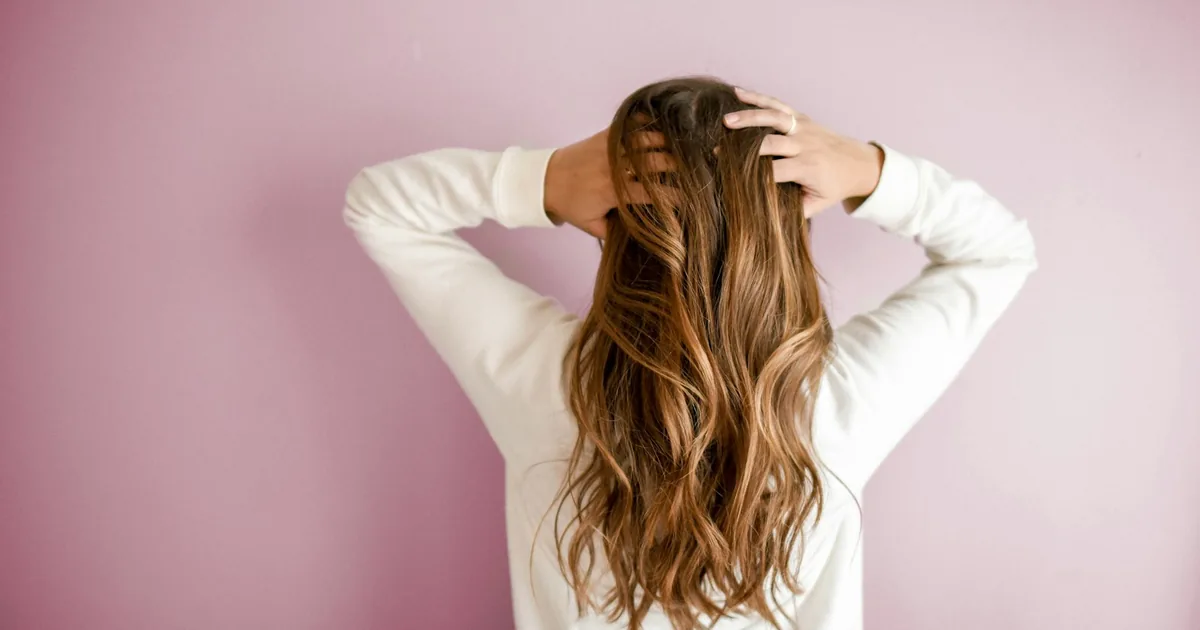
Judge a dye colour next to the face in daylight, not under salon LEDs
Advertisement
If you have not taken the undertone test, do that before you buy a box. Vein folklore and sun-tanning are weak signals; jewellery and cream-versus-white are stronger. This page will not restyle your haircut — that is the hairstyle analysis — and it will not tell you how to mix developer. Patch-test, follow the bottle, and see a colourist for anything that lifts more than a level or two.
Skin tone (fair, medium, deep) is depth. Undertone is the hue underneath. You can be deep and cool, or fair and warm. Dye formulas that ignore that split are why "the colour that looked great on her" looks expensive on her and muddy on you.
Warm, cool, neutral — in hair, not clothes
Clothes can sit away from the face. Hair cannot. A copper that would be fine as a skirt can make warm skin glow and cool skin look sallow when it is on the head.
Warm
Honey, golden brown, copper, caramel, olive-brown, strawberry. Avoid icy platinum and green-ash that was mixed for cool pink skin.
Cool
Ash brown, espresso, blue-black, burgundy with a blue base, beige-ash blonde if you have the contrast. Avoid orange, pumpkin, and yellow-gold.
Neutral
Muted mocha, soft beige-brown, mushroom. You can borrow either side in a faded version. Vivid fashion colours overwhelm faster on you than on a strong warm or cool.
Olive skin is a surface, not an undertone. Olive can sit on warm or on a warm-leaning neutral. Do not assume "olive equals gold dye." Check jewellery and cream-versus-white the same way the undertone test does.
Depth is not temperature. Fair warm and deep warm both take gold and copper; the deep head usually wants more pigment and less lift so the hair does not go brassy-orange while the face stays rich. Fair cool and deep cool both take ash and espresso; icy beige-blonde on deep cool skin often looks grey rather than expensive. If a formula was shot on a fair model, ignore the photo and keep the undertone rule.
Advertisement
Contrast is the second decision
High-contrast colouring (dark hair, light skin, or the reverse) can take a bigger jump. Low-contrast colouring — hair, eyes and skin close in depth — looks flattened when hair suddenly goes much lighter or much darker than the face. That is why a beige-blonde on a previously dark, low-contrast head can look expensive in a photo and tired in a bathroom mirror.
If you lighten, keep a root or a lowlight closer to your natural depth so the face still has a frame. If you go darker, keep the ends from going flat-black unless your contrast is already high. The color season analyzer is the photo tool for this: it places you in a season using contrast and depth. Recheck it after a big dye, not after a gloss.
Box names versus what you actually get
"Ash blonde" on a box is a pigment recipe sitting on top of whatever is already in your hair. Warm underlying pigment lifts toward orange. Ash on orange does not become cool blonde; it becomes muddy beige. "Natural brown" on previously dyed hair often sits warmer than the swatch because the swatch was shot on virgin hair in a studio.
Daylight strand test next to the jaw, not the inner arm. The inner arm is a different depth. If the strand makes your teeth look yellower or your under-eyes greyer, the formula is fighting your undertone even if you like it on the hair itself.
Fashion colours (lilac, rose, vivid copper) follow the same temperature rule and then add saturation risk. Neutral undertones should mute them. Cool undertones can take rose and ash-lilac. Warm undertones can take copper and gold, not mint.
Grey, silver, and growing it out
Grey is a cool, light accessory you did not buy. You can keep it and change the neckline colours — ivory instead of cream if you are cool, the reverse if you are warm and the grey is still a minority. You can also dye through it. A hard box-brown line against silver is the grow-out that looks unfinished. A root smudge, a gloss, or lowlights that include the grey usually look more expensive and last longer between appointments.
This is also why the 30s / 40s / 50s guide tells you to recheck colour at the face when hair changes, not on your birthday. Undertone did not flip. The frame did.
Advertisement
Clothes after the dye
A new hair colour is a new neighbour for every neckline. If you went cooler, true white and silver jewellery will usually sit better. If you went warmer, cream and gold will. Do not throw the wardrobe out; move the fighting colours down the body for two weeks and see. The same rule as the undertone test: keep the clash away from the face.
Glasses frames are part of the same picture. A warm tortoise next to icy blonde can look muddy; a cool black frame next to honey blonde can look harsh. If you are choosing both, take the glasses quiz for shape and then pick the frame colour the way you pick a metal.
Undertone first, then season
Six questions, no photo. Then, if you want the full 12-season map, use the photo analyzer after the dye has settled.
Frequently Asked Questions
Should I match hair dye to my undertone or my skin depth?
Undertone first, contrast second. Warm skin usually wants golden, copper or olive-leaning browns, not ashy beige. Cool skin usually wants ash, espresso and true black-brown, not orange-copper. Depth decides how light you can go before the face loses contrast.
Why does box-dye blonde look orange or grey on me?
The box is a pigment guess on top of your current hair, not a skin-tone match. Warm underlying pigment lifts toward orange; cool ash on warm skin can read muddy. A strand test in daylight, next to your face, beats the name on the carton.
Can I go platinum if I have a warm undertone?
You can, but you will need a cooler wardrobe at the face or the platinum will make you look sallow. Warm skin next to icy hair is a contrast clash, not a rule against blonde. Honey, beige-gold and strawberry sit closer to warm undertones than platinum does.
What hair colour works with grey?
Grey is a cool, light frame. You can keep it and soften the clothes at the neckline, or dye through it with a formula that matches your undertone, not a formula that fights the remaining silver. Root smudge and lowlights usually look more expensive than a solid box brown that grows out in a hard line.
Does hair dye change my colour season?
It can move contrast and depth, which is what the 12-season system uses, without changing undertone. If you go from dark brown to beige blonde, re-run the color season analyzer. The undertone test stays the same.
Is this medical or colour-theory advice?
Colour theory and styling only. Patch-test dye, follow the product instructions, and see a colourist for bleach and major lifts. This page does not tell you how to mix developer or how to bleach at home.
About the Author: Saad Sellami
Saad is the Founder and Lead Data Analyst at OutfitScore. With a background in software engineering, he analyzes tens of thousands of AI fashion assessments to uncover data-driven insights into how we dress, color theory, and styling patterns. Read more about the OutfitScore mission