How to Look Expensive on a Budget
Expensive-looking clothes are not expensive. They fit, they are clean and pressed, and they keep to a simple palette. Most of that costs almost nothing.
Saad Sellami
Founder & Data Analyst, OutfitScore
Published: October 14, 2026
Reading time: 8 minutes
Quick Answer
To look expensive on a budget, spend on fit and care, not on logos. Get clothes altered so they sit correctly, keep them pressed and lint-free, stick to two or three muted colours, and keep your shoes clean. A cheap outfit that fits well and is well kept reads far more expensive than an expensive outfit worn badly.
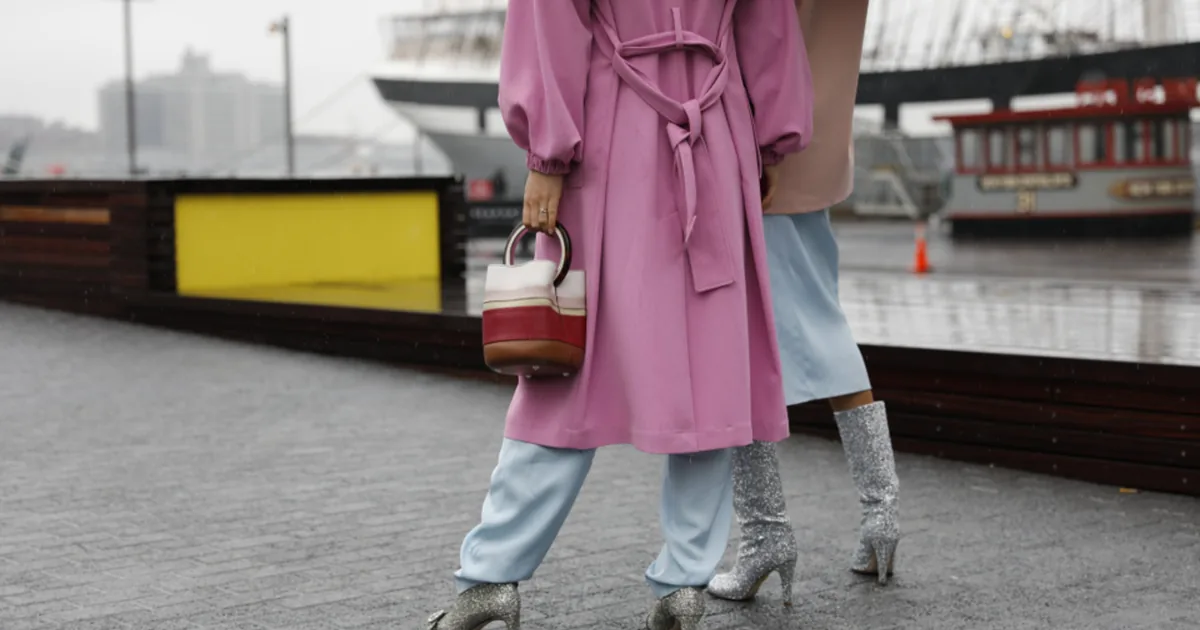
Fit, care and a restrained palette do more for a look than the price tag.
Advertisement
What Actually Reads as Expensive
People do not price your clothes. They read signals - how a garment sits, how it falls, how well it has been looked after - and they guess. Almost every signal is something you control, and almost none of them require more money.
| Signal | Reads expensive | Reads cheap |
|---|---|---|
| Fit | Clean lines, no pulling or sagging | Gaping waist, pooling hems, fabric that strains |
| Condition | Pressed, lint-free, intact seams | Creases, bobbling, loose threads, pilling |
| Colour | Two or three muted, related tones | Many bright colours competing at once |
| Branding | None, or a discreet detail | Large, repeated logos |
| Shoes | Clean, in good shape, simple | Scuffed, dirty or overly trend-led |
| Accessories | One or two considered pieces | Everything at once |
Notice the pattern: the expensive signals are the by-products of care, and the cheap signals are the by-products of neglect or haste. That is good news, because care is cheap.
Fit Beats Price Every Time
A well-fitted inexpensive garment beats a badly fitted expensive one in every room. Fit is the fastest, cheapest way to change how a whole outfit reads, and it is the thing most people skip.
Buy for the shoulders, because shoulder width is the most expensive and difficult thing to alter, and let a tailor handle the rest. Shortening a hem, taking in a waist or adjusting a sleeve costs little and is what separates a garment that looks bought from one that looks made for you. Our fit guide covers the exact checkpoints per garment.
The one alteration that pays for itself
Hemming trousers and taking in waists is inexpensive and transforms how a whole look reads. If you can afford one tailoring habit, make it this one.
Fabric and Finish
You do not need costly material. You need material that drapes well and holds its shape. Two things give a fabric away at a glance: how it catches the light and how it hangs.
- Prefer matte to shiny. High-shine synthetics often read as cheap; matte cottons, wool blends and good viscose read as more considered.
- Prefer weight to thinness. A slightly heavier fabric falls cleanly instead of clinging and shows fewer creases.
- Prefer structure to slouch. Collars, cuffs and plackets that hold their shape make a garment look better made.
- Check the seams and lining. Even, dense stitching and a proper lining are quiet signs of quality that survive a cheaper price.
Then look after what you own. A steamer removes most creases in seconds, a fabric shaver clears pilling, and a lint roller is the single cheapest way to make any outfit look better kept. These three tools do more for a wardrobe's perceived value than another purchase would.
Advertisement
Colour: Restraint Reads Rich
Loud, high-saturation colour is the fastest way to make an inexpensive outfit look inexpensive. Muted, low-saturation tones and deep neutrals - navy, charcoal, camel, cream, stone, bottle green, burgundy - read as more expensive because they look deliberate rather than reactive.
Keep any single outfit to two or three related colours and let texture carry the interest instead. This is the same logic behind the colour coordination guide, and it is why a plain camel coat over navy and cream reads richer than five bright pieces worn together.
Five Cheap Swaps That Read Expensive
- Swap graphic tees for plain ones. A plain, well-fitting tee in a neutral tone lifts everything layered over it.
- Swap loud accessories for one statement piece. A single considered belt, bag or watch beats a full tray of them.
- Swap shiny trousers for matte ones. A matte, straight fall reads far more expensive than a glossy skinny leg.
- Swap worn trainers for clean simple shoes. Footwear is read first and forgiven last.
- Swap a full logo for a plain stitch detail. Removing branding is free and instantly upgrades the read.
If you are building from scratch, a small, editable wardrobe bent toward quiet luxury will always out-read a larger pile of trend pieces - and it costs less over a year, not more.
Same Budget, Different Read
These examples use similar low-cost pieces to show how much the handling of an outfit - fit, care, palette, accessories - changes the read.
Plain tee, tailored trousers, clean shoes, one belt
87/100Everything fits, the palette is cohesive and the finish is clean, so the outfit reads polished regardless of price.
Same pieces, untailored trousers and creased shirt
68/100Fit and finish do the damage: pooling fabric and creasing read as neglect even though the pieces are identical.
Same budget spread across logos, bright colour and busy accessories
60/100Branding and competing colours pull attention in every direction, so nothing reads as considered.
Scores are illustrative examples of how the rater reacts to these combinations, not a dataset of averages.
The Budget Rules
- Fit first. Alter before you buy anything new; it is the cheapest upgrade you own.
- Care is free value. Steam, shave and lint-roll before you shop.
- Buy plain. Skip logos and graphics; buy cut and colour instead.
- Hold the palette. Keep to two or three muted, related tones across the wardrobe.
- Clean the shoes. It is the last two minutes and the first thing people notice.
Looking expensive is mostly a maintenance habit, not a spending one. Photograph a full-length outfit and score it to see which of these signals your own looks are missing.
See What Your Outfit Actually Reads As
Upload a full-length mirror selfie and let OutfitScore's AI check fit, colour, styling and finish in seconds.
Score My Outfit (Free)Frequently Asked Questions
How can I look expensive on a budget?
Fix fit, keep clothes pressed and lint-free, keep to a simple muted palette, clean your shoes and restrain your accessories. These moves cost little and read as expensive.
What makes cheap clothes look cheap?
Poor fit, visible logos, shiny synthetic fabric, creases, lint and worn shoes. Fixing fit and care removes most of these signals at almost no cost.
Is it better to buy fewer expensive pieces or more cheap ones?
Fewer, better-fitting, well-kept pieces usually look more expensive than a larger wardrobe of cheap ones.
Does tailoring help cheap clothes look expensive?
Yes. Hemming, taking in waists and adjusting sleeves costs little and changes how a garment reads. Buy for the shoulders and tailor the rest.
What colours look most expensive?
Muted neutrals and deep tones - navy, charcoal, camel, cream, stone - read more expensive than loud, high-saturation colours, especially when kept to two or three per outfit.
 Shop on Amazon