How to Coordinate Makeup With Your Outfit
Makeup and clothes are one look, not two. The rule is simple: match the intensity, echo one colour, and never let both compete for attention at once.
Saad Sellami
Founder & Data Analyst, OutfitScore
Published: October 14, 2026
Reading time: 7 minutes
Quick Answer
Coordinate makeup with your outfit by matching intensity, not by copying colours. A bold outfit (loud print, bright colour, statement accessory) calls for quieter makeup; a simple, neutral outfit can carry a stronger lip or eye. Choose one focal point - either the outfit or the face - and echo a single colour from the look rather than repeating the full palette.
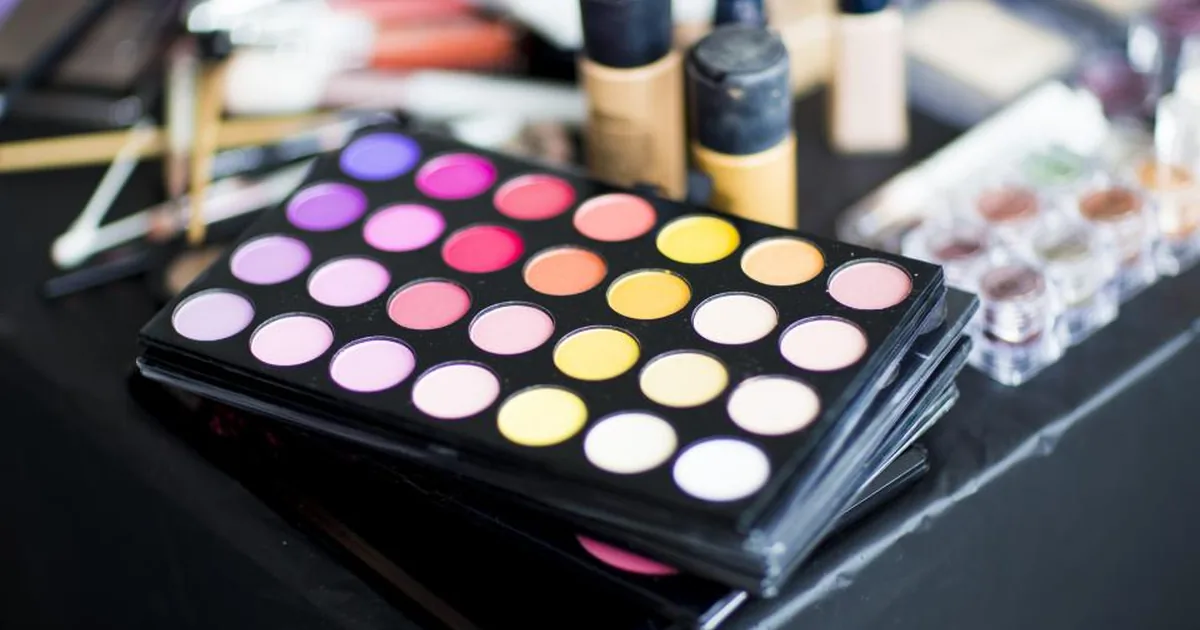
Treat makeup as part of the outfit, not a separate decision made in the mirror.
Advertisement
The Three Rules of Coordination
Most makeup-and-outfit mismatches come down to one of three things: the intensities fight, the colours clash, or both the face and the outfit are shouting. Fix those three and almost everything else falls into place.
- Match the intensity. Loud outfit, quiet face; quiet outfit, louder face. Think of it as a fixed volume that you split between the two.
- Echo one colour. Pull a single note from the outfit into the makeup - a berry lip to a burgundy knit, a warm blush to a camel coat. One echo reads as intentional; three reads as a theme party.
- Pick one focal point. Decide whether the outfit or the face is the star and let the other support it.
The volume dial
Imagine one dial controlling how much visual noise the whole look makes. If the outfit takes it to eight, the makeup should sit at three. If the outfit is at two, the makeup can go to six.
Reading the Outfit First
Before touching a brush, ask three questions about what you are wearing: how saturated is it, how busy is the pattern, and where is the eye already going? Those answers set the makeup budget for the day.
| Outfit | Makeup direction | Avoid |
|---|---|---|
| Neutral, all one tone | A defined lip or soft smoky eye to add life | Washing out to a flat, bare face |
| Bold solid colour | Simple eye, neutral or tonal lip | A second bright colour competing with the garment |
| Busy print or floral | Quiet, even base with a nude lip | Patterned makeup and strong blush |
| Monochrome or tonal layering | Echo the same family in lip or cheek | An unrelated accent colour |
| Statement jewellery | Balanced, clean face | Heavy makeup fighting the metal for attention |
If you are not sure whether a colour direction is warm or cool on you, our makeup colour theory guide covers the basics, and the colour coordination guide handles the clothing side of the same problem.
One Focal Point, Two Ways
If the outfit is the star, the makeup is the frame: even base, soft definition, neutral lip. The job is to make the face look rested and clear so the clothes read as the point. This is the right setting for a statement dress, a loud print, or a strong colour you want noticed.
If the face is the star, the outfit steps back: clean neutrals, simple lines, and the makeup carries the colour. A bold lip with a crisp white shirt or a little black dress is the classic version, and it works because the clothes are deliberately quiet. Getting the balance right is the whole skill, and it is the same principle the occasion appropriateness score is built on.
Advertisement
Worked Looks
Each pairing below shows how a makeup choice supports or fights the outfit. The numbers reflect how balanced the whole look reads.
Neutral camel knit, straight trousers, soft berry lip
87/100A quiet outfit with one makeup echo. The lip adds the colour the outfit deliberately holds back, and the two agree.
Red statement dress, bare eyes, nude lip
86/100Classic one-focal-point styling. The dress carries the look and the face stays clean so nothing competes.
Floral print dress, even base, rose-nude lip
84/100The quiet setting for a busy print. The makeup supports without adding another pattern to read.
Bright colour-block outfit, bold red lip, strong blush
62/100Everything is shouting. The garment, the lip and the blush all compete, so the look reads busy rather than bold.
Scores are illustrative examples of how the rater reacts to these combinations, not a dataset of averages.
Quick Reference by Occasion
- Work: even base, light definition, neutral or muted lip. Keep the face consistent day to day so the outfit does the talking.
- Daytime social: a little warmth on the cheek, soft eye, comfortable lip colour that survives coffee and conversation.
- Evening: deepen, do not brighten. Richer lip or stronger eye, with the same underlying tones as daytime.
- Photos: slightly stronger than real life, because cameras flatten contrast and wash out subtle colour.
Once the outfit is on and the makeup is done, the fastest way to catch a mismatch is to look at the whole thing at once. Take a mirror selfie in your final look and score it; if the face and the clothes are fighting, it shows up immediately.
See How Your Makeup and Outfit Read Together
Upload a mirror selfie in your finished look and let OutfitScore's AI check fit, colour and occasion in seconds.
Score My Outfit (Free)Frequently Asked Questions
Should your makeup match your outfit?
It should relate to it, not copy it. Match the intensity and echo one colour rather than repeating the whole palette.
How do I match my lipstick to my outfit?
Pick a warm or cool direction and stay consistent, or keep the lip neutral and let the outfit carry the colour. A red lip suits solids better than busy prints.
Should I do a bold eye or a bold lip?
Usually one or the other. A strong eye with a neutral lip, or a strong lip with a simple eye, keeps the face balanced.
How should makeup change for evening looks?
Deepen rather than brighten: richer lip, stronger eye, more definition - keeping the same underlying tones as your daytime look.
Does makeup affect an outfit score?
It influences the overall look alongside fit, colour and occasion, so a coordinated face and outfit tend to score better. You can score a finished look to check.
 Shop on Amazon