How to Create Waist Definition Without a Belt
A belt is the obvious answer and often the worst one. The best waist definition comes from the way the clothes are cut and layered, so the shape looks like it belongs to the outfit.
Saad Sellami
Founder & Data Analyst, OutfitScore
Published: October 14, 2026
Reading time: 7 minutes
Quick Answer
Create waist definition through the clothes rather than a belt: tuck or half-tuck a top, choose a high-waist bottom, wear a wrap or belted cut, let seaming and pleats mark the narrowest point, or place a colour change at the waist. A belt adds a hard horizontal line and can look heavy over bulky or already-fitted pieces, so use garment shape first and reach for a belt only when you want that line.
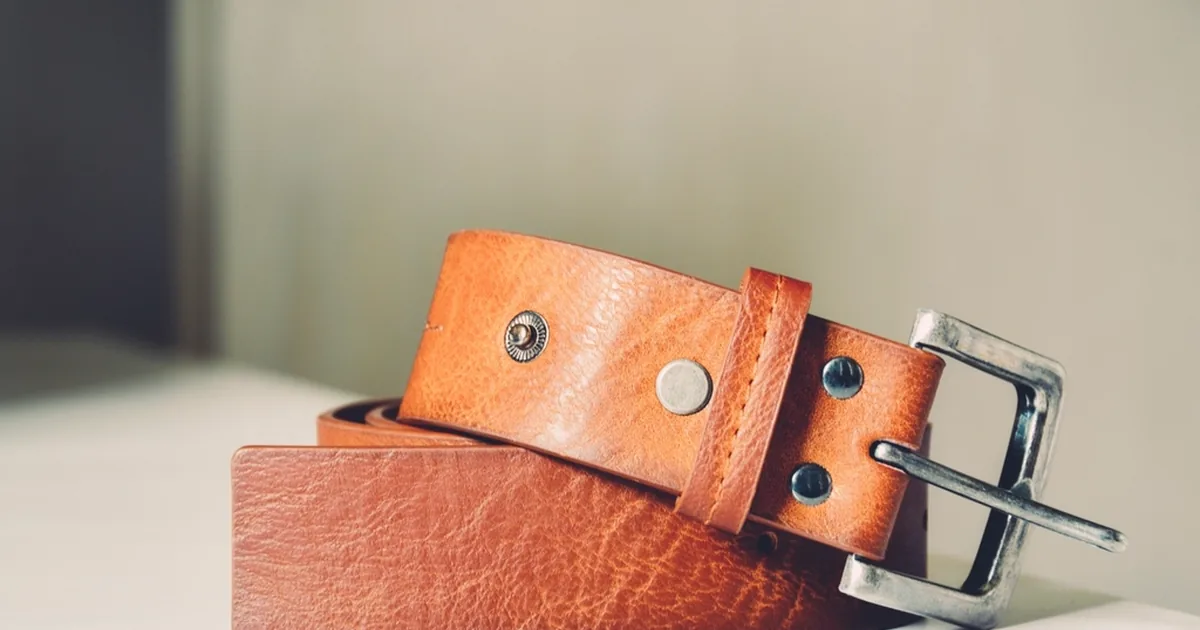
The cleanest waist is built into the cut, not strapped on top.
Advertisement
Why a Belt Is Not Always the Answer
A belt does one thing well: it draws a strong horizontal line at a chosen height. That is useful when you want the waist to be the focal point. It becomes a problem when it competes with what the outfit is already doing - over a bulky knit it adds bulk, over a fitted dress it can read as an afterthought, and over a busy print it can clutter the middle of the body.
Definition, though, is not the same as a belt. It just means the eye can read a waist - a narrower point between a wider top and a wider bottom. You can create that with the cut of the garment, the way a top is tucked, or where a colour changes. All of those look built-in rather than added on.
Shape before accessory
Try to define the waist with the clothing first. If it still looks shapeless, then add a belt - but by then you often do not need one.
The Tools, From Subtle to Strong
These techniques run from a gentle suggestion of a waist to a clear, deliberate one. Pick by how much emphasis the outfit can carry.
| Technique | Effect | Best on |
|---|---|---|
| Half-tuck | Marks the front waist, keeps the back relaxed | Shirts, knits, tees |
| Full tuck | Clear, crisp waistline | High-waist trousers and skirts |
| High waist | Raises the proportion line, lengthens legs | Most bottoms, with a tucked or crop top |
| Wrap and belted cuts | Built-in definition, no accessory | Dresses, blazers, trench coats |
| Seaming and pleats | Structural shaping through the garment | Blazers, tailored trousers |
| Colour change | A soft waistline without any added fabric | Any tonal outfit |
The gentlest option is the colour change: if the top and bottom are different tones, the meeting point already creates a waistline, and the eye reads shape without any hard line drawn across the body. This is why a tucked knit in a lighter tone with a darker bottom looks defined even with no belt in sight.
Matching the Technique to the Shape
Waist definition is not one fixed look. The right version depends on the figure and on the overall proportion, because the waistline works with the rest of the silhouette rather than alone.
- Straighter figures: add a little curve above and below the waist with a fuller top or peplum and an A-line or wide bottom, so the waist reads by contrast.
- Curvier figures: a gentle taper or a wrap cut frames the waist without a tight cinch, which can look constricted.
- Long torsos: a high waist raises the line and shortens the appearance of the torso.
- Shorter torsos: a mid or slightly lower waist, or a cropped top, avoids compressing the middle.
These choices are really about where to place the horizontal line, which is exactly the proportion problem our proportion guide covers, and the shape-specific versions sit in the body type styling guide.
Advertisement
Three Approaches, Scored
The rater reads silhouette and proportion together, so the way a waist is created shows up in the number.
Half-tucked knit, high-waist straight trousers
86/100A soft waistline with a raised proportion line. It reads defined without any accessory doing the work.
Wrap dress with a self-tie at the waist
88/100Built-in definition and a continuous vertical line. The shape belongs to the garment, so nothing looks added on.
Wide belt over a chunky knit
68/100The belt adds bulk over an already-bulky layer and reads as an afterthought, so both the silhouette and the finish lose points.
Scores are illustrative examples of how the rater reacts to these combinations, not a dataset of averages.
Quick Adjustments
- Half-tuck first. It is the fastest and least committal change, and it works on almost anything.
- Raise the waist, not the belt. A higher waistband does more for proportion than a belt ever will.
- Use a colour change as a soft waist. Different tones at top and bottom create a line with no added fabric.
- Cinch only on purpose. If a belt is the focal point, make it the only strong horizontal line in the look.
- Check it seated. A waist that disappears when you sit will not help during a dinner or a meeting.
Because a waistline is really a proportion move, the best way to judge it is a full-length photo. Take a mirror selfie of the finished outfit and score it to see whether the silhouette reads as defined or straight.
See If Your Outfit Reads Defined
Upload a full-length mirror selfie and let OutfitScore's AI check silhouette, proportion, fit and colour in seconds.
Score My Outfit (Free)Frequently Asked Questions
How do I create waist definition without a belt?
Use the garments: tuck or half-tuck, choose a high waist, wear a wrap or belted cut, rely on seaming and pleats, or place a colour change at the waist.
Does waist definition work for every body shape?
It works differently by shape. Straighter figures often add curve above and below the waist, while curvier figures usually suit a gentle taper rather than a tight cinch.
What is a half-tuck and why does it work?
Tucking only the front of a top and leaving the back loose. It marks the waistline at the front while keeping a relaxed drape elsewhere.
Should I wear a high or mid waist?
A high waist lengthens the legs and suits most people; a mid waist is more neutral and pairs with crops. Let the top's hem decide the most flattering placement.
Is cinching with a belt always a good idea?
No. A belt adds a strong horizontal line and can look heavy over bulky knits or fitted dresses. Use garment shape first and add a belt only when you want that line.
 Shop on Amazon