High-Waist vs Low-Rise: Which Suits You
The waistline is the single strongest proportion lever in an outfit. Moving it up or down changes how long your legs and torso read, which is why this choice matters more than the trend.
Saad Sellami
Founder & Data Analyst, OutfitScore
Published: October 14, 2026
Reading time: 7 minutes
Quick Answer
High-waist bottoms raise the waistline and give more visible length to the legs, which flatters most figures and most tops - pair them with tucked or cropped tops. Low-rise bottoms drop the waistline and lengthen the torso, which suits people with longer legs or a shorter torso - pair them with shorter tops. Move the line deliberately to balance your own proportions rather than following the trend.
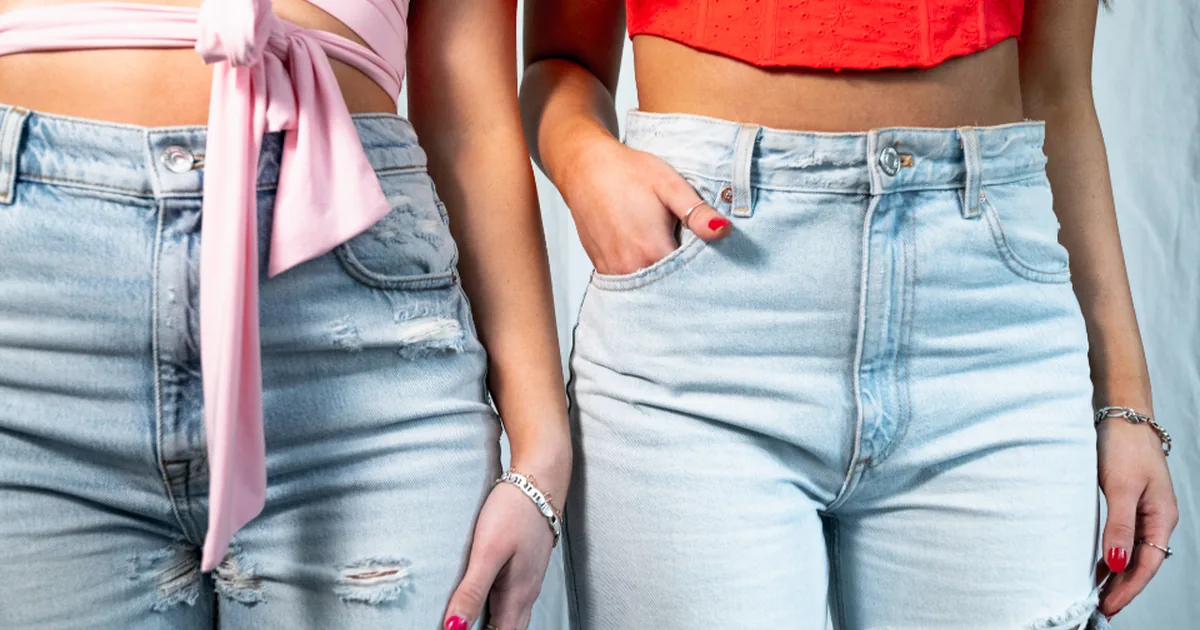
The waistband is where the eye divides the body: move it and everything shifts.
Advertisement
What the Waistline Actually Does
Every outfit is divided somewhere between the shoulders and the feet, and the waistband usually marks that division. Raise it and the legs gain visible length and the torso shortens. Lower it and the reverse happens: the torso lengthens and the legs lose a little of their apparent length.
That is the entire mechanism. It is why high-waist bottoms are a frequent recommendation for shorter frames and low-rise suits people who already have long legs or a short torso. There is no moral hierarchy here; there is only which direction you want the line to move for your own body.
Move the line, not the trend
A trend tells you where the waistband sits this season. Your proportions tell you where it should sit on you. When they disagree, listen to your proportions.
Head to Head
Here is the practical difference, laid out by what each waistline does and who it tends to suit.
| Factor | High-waist | Low-rise |
|---|---|---|
| Waistline | Raised, near the natural waist | Dropped, onto the hips |
| Effect on legs | Appear longer | Appear shorter |
| Effect on torso | Appears shorter | Appears longer |
| Suits | Shorter legs, longer torso, most figures | Longer legs, shorter torso |
| Best with a top that is | Tucked or cropped | Cropped or short |
| Watch out for | A long top hiding the waistline | A long top lengthening the torso further |
If you are unsure, high-waist is generally the more forgiving default, because it flatters a wider range of figures and is easy to pair with a tucked top. Low-rise rewards a specific set of proportions and a specific top length. Both are the same proportion tool as the rule of thirds.
Styling Each Waistline
The top's hem is as important as the waistband itself, because it decides whether the waistline stays visible.
High-waist bottoms
- Tuck or half-tuck so the raised waistline is visible; this is where the leg-lengthening comes from.
- Cropped tops work naturally and reinforce the proportion.
- A belt can emphasise the line, but only if it is not competing with other strong horizontals.
- Avoid long, loose tops that cover the waistband entirely.
Low-rise bottoms
- Keep tops short, or tuck, so they do not extend the torso even further.
- A fitted top balances the hip line; a very loose, long top over low-rise can swamp the shape.
- Choose a shoe with a little height to counter the slightly shortened leg line.
- Consider a lower heel and a longer top only if the torso is already short.
These are the same principles as our waist definition guide applies when you want to create a waist rather than simply place it.
Advertisement
The Same Outfit, Two Waistlines, Scored
These examples use the same top so the waistline is the only variable. The rater reads proportion directly, so the split shows up in the score.
Tucked knit, high-waist straight jeans, loafers
87/100The raised waistline lengthens the leg and the tuck keeps it visible. A clean, balanced proportion.
Cropped tee, low-rise jeans, heeled boots
83/100The cropped top keeps the dropped waist from lengthening the torso, and the heel counters the shortened leg line.
Long tunic top over high-waist jeans
73/100The high waist is completely hidden, so the proportion benefit disappears and the outfit reads long and undefined.
Long sweater over low-rise jeans, flat shoes
67/100The longest top meets the lowest waist and flat shoes, compressing the legs from both directions. The proportion drops hard.
Scores are illustrative examples of how the rater reacts to these combinations, not a dataset of averages.
Choosing for Your Proportions
- Shorter legs: high-waist, tucked tops, a little heel or a defined shoe.
- Longer legs: low-rise is available to you, especially with cropped tops; high-waist still works.
- Shorter torso: low-rise lengthens the torso; high-waist can compress it further.
- Longer torso: high-waist shortens the torso and balances the figure.
- Not sure: high-waist with a tucked top is the safest proportion move in the wardrobe.
Proportion is far easier to judge in a photo, because the camera freezes the line where the eye divides the body. Take a full-length shot in each option and score them to see which waistline is doing more for your frame.
Compare Your Waistline Options
Upload a full-length photo in each look and let OutfitScore's AI compare proportion, silhouette and fit in seconds.
Score My Outfit (Free)Frequently Asked Questions
Are high-waist or low-rise jeans more flattering?
Neither universally. High-waist raises the line and lengthens the legs; low-rise drops it and lengthens the torso. The right one depends on your proportions.
Do high-waist jeans make you look taller?
They can, by giving more of the visible length to the legs - the same rule of thirds logic behind most proportion advice.
Who suits low-rise jeans?
Longer legs or a shorter torso, since low-rise lengthens the torso. It is less forgiving of a longer torso or shorter legs.
What tops work with high-waist jeans?
Tucked and cropped tops, because they keep the raised waistline visible. A long untucked top hides it and removes the benefit.
What tops work with low-rise jeans?
Cropped or short tops, so the top does not extend the torso further. A long top over low-rise compresses the leg line.
 Shop on Amazon