The Thrift Shopping Outfit Guide
Thrifting is the cheapest way to buy better-made clothes. It is also the fastest way to fill a wardrobe with things you never wear. The difference is a plan and a fast quality check.
Saad Sellami
Founder & Data Analyst, OutfitScore
Published: October 14, 2026
Reading time: 8 minutes
Quick Answer
To thrift well, go in with a short list of what your wardrobe is missing, judge every piece fast for fabric, seams, condition and fit, and buy only what works with what you already own. Check the shoulders first because they are the hardest thing to alter. A cheap garment you never wear is the most expensive buy in the wardrobe.
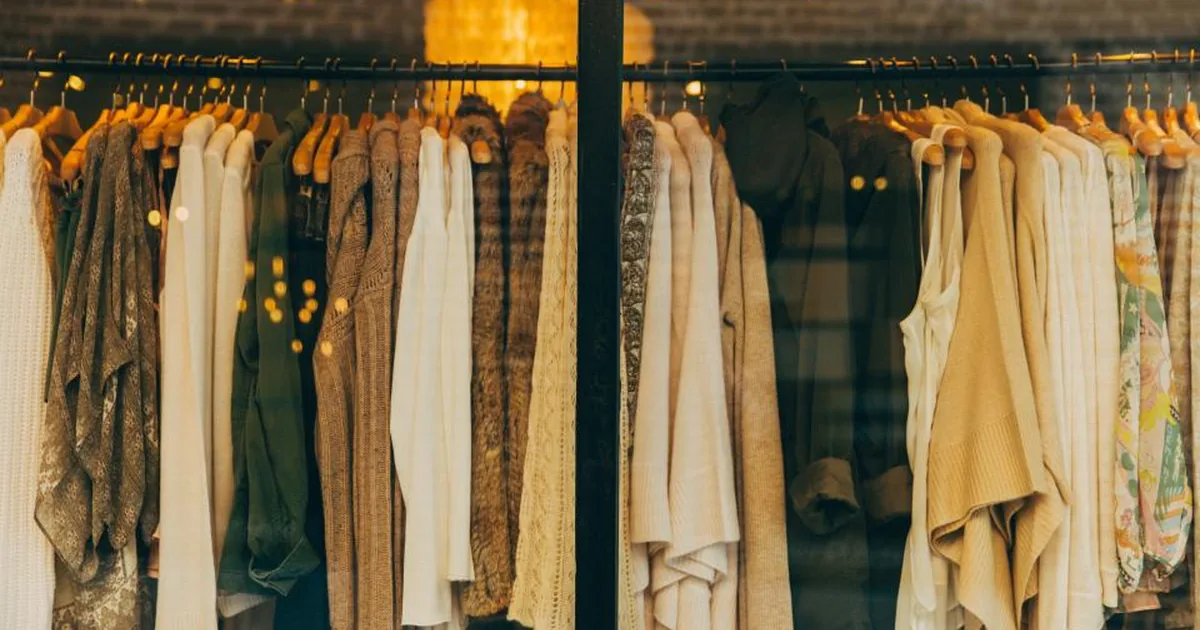
Thrifting rewards a fast, disciplined eye more than patience.
Advertisement
Why Thrift at All
Second-hand shops are where older, better-made clothing ends up. Often the fabrics are heavier, the seams denser and the cuts simpler than their modern equivalents, and because most people shop for trend rather than quality, the good pieces are frequently the ones left hanging.
That makes thrifting a natural fit for a capsule wardrobe and for anyone trying to look more expensive for less. It also extends the life of clothing that already exists, which is the practical side of the sustainable fashion argument.
The 30-Second Quality Check
You cannot inspect every rack. Learn to scan fast and pass on almost everything. These are the checks, in the order that saves the most time.
| Check | Keep | Pass |
|---|---|---|
| Fabric | Matte, weighty, holds shape | Shiny, thin, already pilling |
| Stitching | Even, dense, intact seams and cuffs | Loose threads, skipped stitches |
| Condition | Clean, no stains after a look at light | Stains, worn elbows, holes, heavy pilling |
| Label | Natural fibres, mostly or in the blend | All-synthetic, unreadable or missing care label |
| Fit | Shoulders right off the rack | Shoulders wrong and needing hard alteration |
| Wardrobe fit | Works with three things you already own | Needs a whole new outfit to justify it |
Hold the fabric up to the light to catch thinning, and check the underarms, cuffs and collar first - that is where wear shows fastest. If a garment fails the shoulders, leave it, because that is the one thing a tailor can rarely fix.
Fabrics Worth Buying Second-Hand
Thrifted quality is mostly about fibre. These are the ones that age well and read expensive, and the ones that do not.
- Wool and wool blends. Coats, blazers and knitwear that get better with care and hold their shape for years.
- Cotton and linen. Shirts and summer pieces that breathe and stay matte rather than shiny.
- Silk and genuine leather. Occasionally underpriced and, when intact, instantly read as high-end.
- Avoid: worn thin synthetics, any acrylic knit that has already bobbled, and fabric so flimsy it will not survive a wash.
The fibre rule
When in doubt, buy the fibre, not the garment. A plain wool blazer with the right shoulders beats a trendier synthetic one every time.
Advertisement
Building Outfits from Thrifted Finds
A thrifted piece is only a bargain if it joins an outfit. Before buying, picture it against three things already in your wardrobe. If it needs nothing new to work, it is a good buy; if it needs a whole new outfit, it is a trap.
Keep to the same palette you use everywhere else - two or three muted, related tones - and let one thrifted statement piece carry the outfit while everything else stays plain. A single well-found blazer, coat or leather piece is worth more than five random tops, and it is the easiest way to build a quiet luxury wardrobe for very little money.
Tailoring and Care on Second-Hand Finds
Second-hand pieces often need a small, cheap adjustment to become favourites. Budget for it: a hem taken up, a waist brought in or a sleeve shortened transforms a garment that almost fit into one that fits perfectly. Check the exact points with our fit guide before you buy.
Then clean and finish. Wash or dry-clean before wearing, steam out any creases, shave off pilling and replace missing buttons. Care is what makes a thrifted garment indistinguishable from a new one - and it is the same habit that makes any wardrobe read more expensive.
Same Finds, Different Read
These examples show how the same low-cost, second-hand approach changes depending on how well the pieces are chosen, fitted and styled.
Thrifted wool blazer, plain tee, tailored trousers, clean shoes
88/100A single well-found quality piece anchors the look; the palette is calm and the fit is clean, so it reads polished.
Same blazer, but untailored and creased from the rail
70/100The quality is there but the finish is not; pooling fabric and creases make a good find look like a bad buy.
Random haul of mismatched pieces and competing colours
58/100Nothing works together, so the outfit reads as clutter rather than a wardrobe - the classic thrift trap.
Scores are illustrative examples of how the rater reacts to these combinations, not a dataset of averages.
The Thrift Day Checklist
- Make a list first. Know the two or three gaps your wardrobe actually has before you walk in.
- Scan fast, inspect few. Use the 30-second check; pass on anything that fails the fibre or shoulder test.
- Hold it to the light. Check underarms, cuffs and collar for hidden wear.
- Think in outfits. Buy only what works with three things you already own.
- Budget for tailoring. A cheap alteration often turns an almost-fit into a favourite.
Photograph the finished outfit and score it to confirm the find actually works in the full look, not just on the hanger.
Check the Find Actually Works
Upload a full-length mirror selfie wearing your thrifted outfit and let OutfitScore's AI check fit, colour, proportion and finish in seconds.
Score My Outfit (Free)Frequently Asked Questions
How do I thrift well?
Go in with a short list, judge each piece fast for quality and fit, and buy only what works with clothes you already own. A plan beats browsing.
What should I look for when buying second-hand clothes?
Check the fabric, seams, label and condition, then the shoulders for fit. Natural fibres, even stitching and clean condition are the signs worth keeping.
Can thrifted clothes look expensive?
Yes. Many second-hand garments are better made than new fast-fashion equivalents, and once they fit and are cleaned they read as well as anything else.
What should I avoid when thrifting?
Impulse buys, items needing expensive alteration, unrepairable damage, and anything that does not fit the wardrobe you already have.
Is thrifting a good way to build a wardrobe on a budget?
Yes, with a plan. Thrifting gives access to better fabrics and construction at low prices, which is what a capsule wardrobe needs - but without a list it becomes clutter.
 Shop on Amazon